
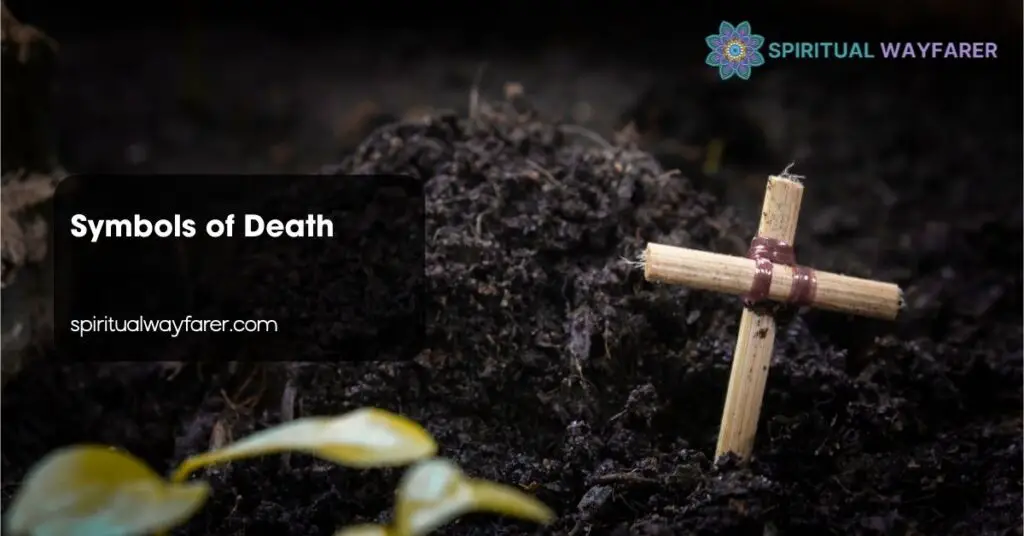
We investigate into the intriguing area of death symbols that permeate our art, literature, and traditions. These symbols serve as a universal language, conveying complex emotions and beliefs about mortality without the need for words. By uncovering the origins and significance of these iconic representations, we gain insight into how different societies comprehend and cope with the concept of death.
Whether it’s the enigmatic raven, the austere hourglass, or the revered Grim Reaper, each symbol holds a unique place in cultural narratives. Join us as we unravel the stories behind these enduring emblems and discover how they continue to influence our perceptions of life and death today.
Cultural Symbols Of Death
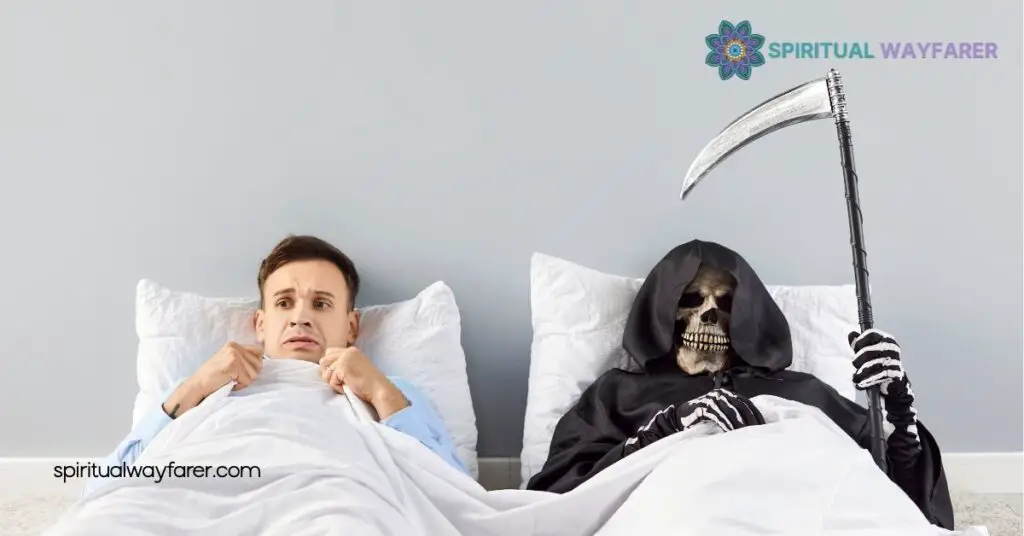
Different cultures employ a variety of symbols to represent death, each carrying unique meanings and significance. In Mexican traditions, the calavera or skull is prominent during Día de los Muertos, celebrating ancestors with colorful sugar skulls. In Western cultures, the Grim Reaper personifies death, depicted as a cloaked figure wielding a scythe. Asian societies often use the white lily, symbolizing purity and the transient nature of life, especially in funerary practices. African communities may incorporate the crossed bones to signify mortality and the afterlife. Also, the hourglass serves as a universal reminder of life’s fleeting moments, appearing in various cultural artworks and literature. These symbols collectively reflect how societies interpret and cope with the concept of death, offering comfort and a means to honor those who have passed.

International products have separate terms, are sold from abroad and may differ from local products, including fit, age ratings, and language of product, labeling or instructions
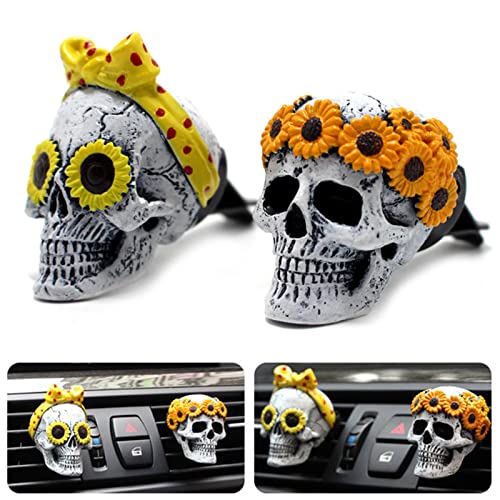
💀💀What You Will Get : Car vent accessories set include 2pcs sugar skull car accessories for women girls kids. so girly car accessories is a special collection things for any skeletons statue lover. 1.57*1.96 inch is suitable for most automotive vent as car stuff for women. car gadgets is also a cute car travel accessories for long trips.
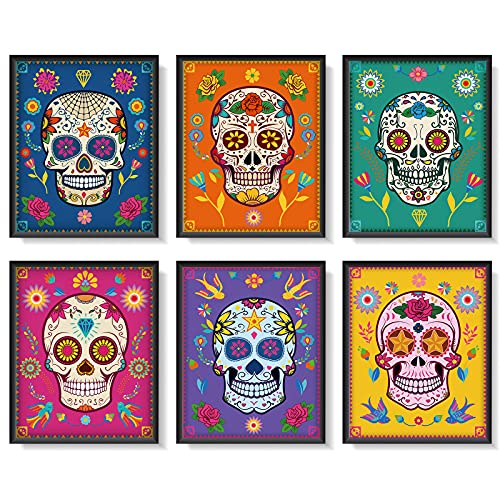
What you get: you will receive 6 pieces of different sugar skull painting arts and 40 glue points, each piece is about 20 x 25 cm/8 x 10 inches, the large quantity and various patterns to enrich your home decor, each standout print will add a contemporary touch to any room
Religious Symbols Of Death
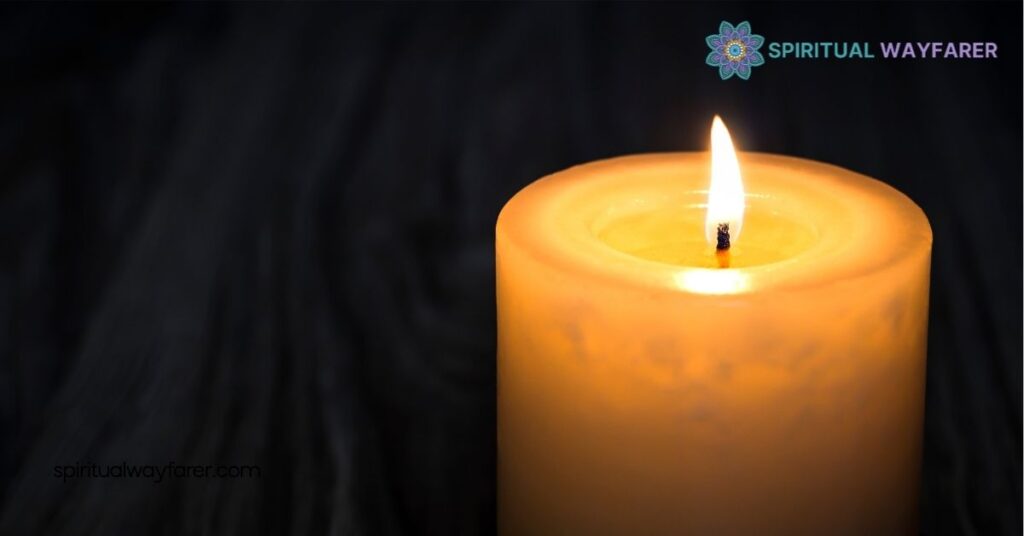
Religious symbols of death convey profound meanings about mortality, the afterlife, and spiritual beliefs. These symbols offer insight into how different faiths perceive and honor the transition from life to death.

3 Pack Dia de los Muertos Religious Candles - Bundle of 8" Calaveras Sugar Skull Candles for Ofrendas, Vigils, Prayers, Blessing Ceremonies, More Plus Bookmark | Devotional Candles in Glass.

[ Add a Festive Touch to Your halloween and Dia de Los Muertos ] Suitable for Halloween Dia De Los Muertos Diwali Decorations. these Day of the Dead bags make an ideal decoration, suitable for Halloween parties, Day of the Dead, Dia De Muertos, Mexican themed parties, fiesta parties, theme parties, carnivals, birthday parties classroom parties, holiday celebrations and more.
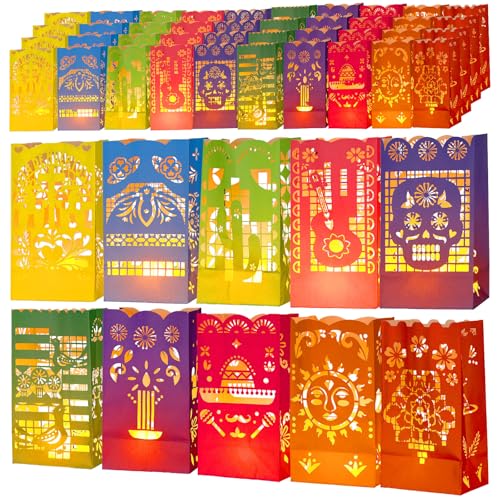
Dia De Los Muertos Bags: our package includes 50 bags of Day of the Dead; This quantity ensures that you can fill your space with festive atmosphere, making your Day of the Dead event memorable and charming; Please note: candle lights are not included, it is recommended that you use smokeless candle lights
Christianity
In Christianity, death symbols intertwine with themes of resurrection, hope, and the afterlife.
Skull and Crossbones
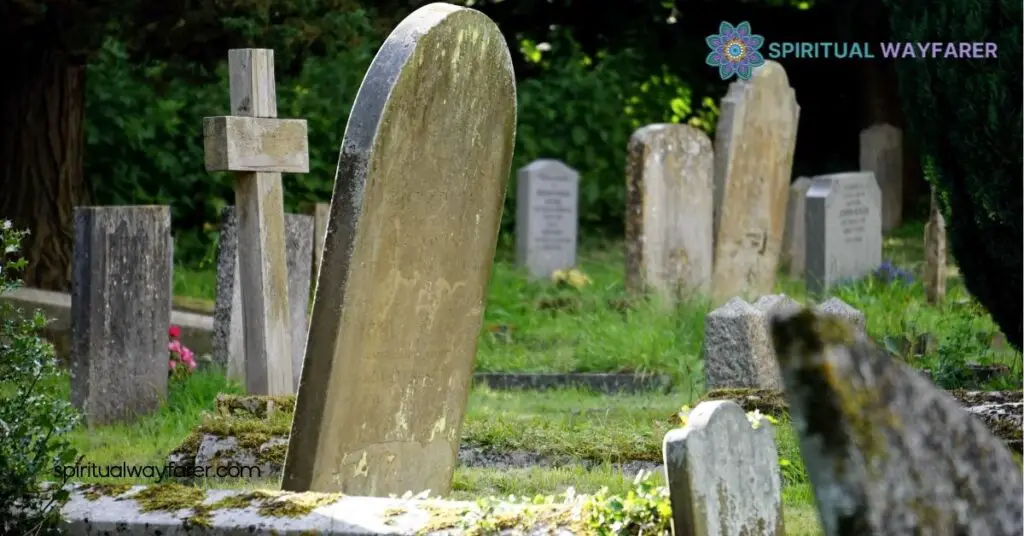
Originating in the Late Middle Ages, the skull and crossbones appeared on tombstones to mark graves. This symbol signifies the finality of death and the absence left by the departed soul.
Cross
The cross stands at the heart of Christian symbolism, representing Jesus Christ’s crucifixion. While it denotes death, it equally embodies hope and the assurance of eternal life through Christ’s resurrection.
Candles
Candles hold a important place in funeral services and church ceremonies. They represent the light of life and guide the soul’s journey into the afterlife, serving as a reminder of remembrance for the deceased.
Sacraments
Sacraments like the Eucharist and baptism carry deep symbolic meanings related to death and the afterlife. These rituals embody the spiritual transition and the promise of salvation.
Other Religions
Various religions feature unique symbols that represent death and the afterlife, reflecting diverse cultural beliefs and practices.
Día de los Muertos (Mexico)
The calavera, or skull, is celebrated during Día de los Muertos, symbolizing the cycle of life and death. These decorative skulls honor deceased loved ones and acknowledge their ongoing presence in the spiritual area.
Western Cultures
The Grim Reaper is a prominent figure symbolizing death in Western traditions. Depicted as a cloaked skeleton wielding a scythe, the Grim Reaper represents the inevitable end of life.
Asian Societies
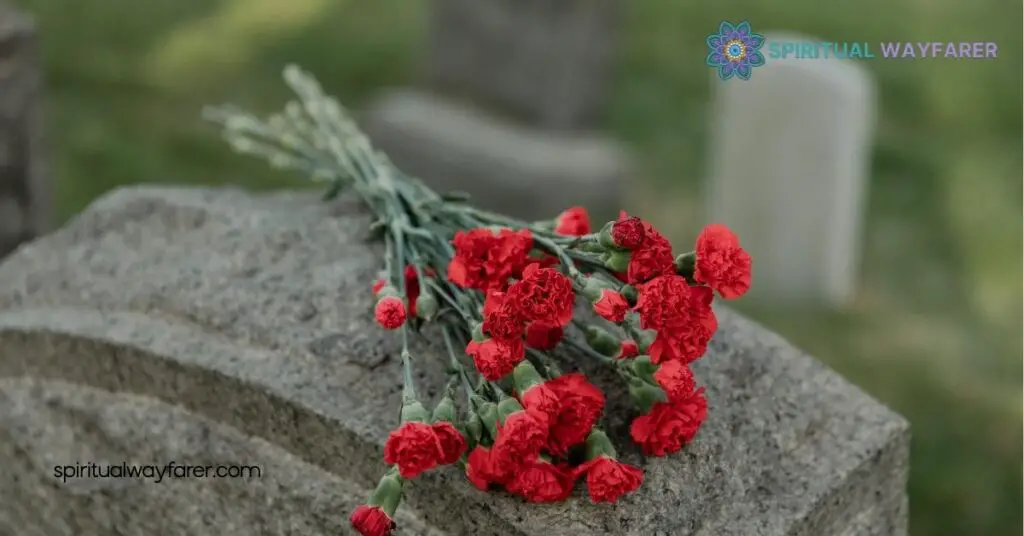
In many Asian cultures, the white lily signifies purity and the transient nature of existence. This flower is often used in funerals to honor the deceased and express sympathy.
African Communities
Crossed bones are utilized in African traditions to denote mortality and the afterlife. This symbol serves as a powerful reminder of the enduring connection between the physical and spiritual worlds.
Universal Symbols
The hourglass remains a universal emblem of life’s fleeting moments. Commonly featured in art and literature, it underscores the passage of time and the inevitability of death.
Historical Symbols Of Death

Unique Design: The grim reaper neon sign have a creative design that makes your room more unique and makes everyone who sees it gasp in awe.
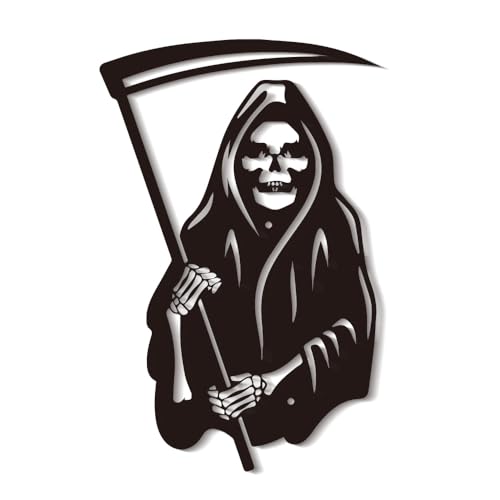
Striking Gothic Skull Design - Command attention with this intricately laser-cut metal wall art. Featuring a detailed Grim Reaper skull holding a scythe, this piece embodies dramatic gothic aesthetics, perfect for adding a touch of dark elegance to any space, year-round or for Halloween

Iconic Grim Reaper Design: Featuring a classic death scythe silhouette, this LED wall light captures the iconic look of the Grim Reaper, making it the perfect piece of gothic and spooky decor. The bold black silhouette casts a haunting glow against your wall, instantly elevating the eerie atmosphere of any room—ideal for Halloween, horror-themed spaces, or dark aesthetic lovers
The Grim Reaper
We recognize the Grim Reaper as a personification of death that emerged in Europe during the 14th century amid the Black Death. This skeletal figure dons a dark robe and wields a scythe. The scythe signifies death’s swift and decisive nature, while the robe echoes traditional funeral attire. Historically, the Grim Reaper symbolizes the harvesting of human lives during times of widespread mortality.
Skull and Skeleton
We understand the human skull and skeleton as universal symbols of death present in many cultures and religious traditions. These symbols represent mortality, fear, and the inevitability of death. In Christianity, skulls feature in rosaries and embody the “memento mori” theme, serving as reminders of our own mortality. Across different societies, the skull and skeleton maintain a consistent representation of life’s finite nature.
Modern Symbols Of Death
Modern symbols of death continue to evolve, finding new expressions in today’s society. They adapt to contemporary contexts, reflecting our current understanding and portrayal of mortality.

1.Unique design: The design of this hourglass is unique, combining modern elements with traditional Gothic style, and the artistic atmosphere is extraordinary. The bold and avant-garde dragon shape is combined with a graceful curved silhouette to create a unique look, showing the perfect fusion of fashion and vintage.
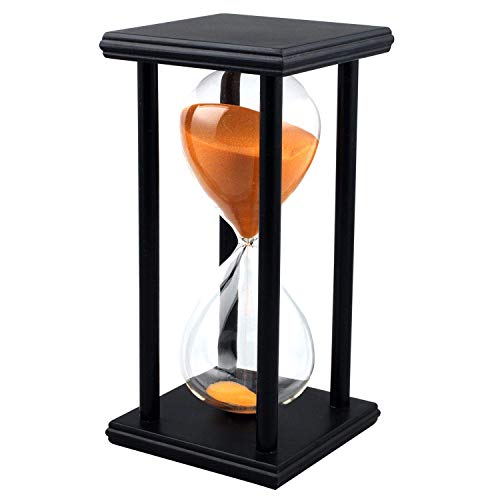
★ 30 Min Hourglass Size: 14.5*8*8 cm. Weight: 275g. Material: wood and glass and sand. ★ 45 Min Hourglass Size: 20*10*10 cm. Weight: 475g. Material: wood and glass and sand. ★ 60 Min Hourglass Size: 20*10*10 cm. Weight: 500g. Material: wood and glass and sand

REALISTIC LED “SAND” EFFECT: Mesmerizing LED lights create the illusion of sand falling while eerie sound effects mimic the pour of a haunted hourglass—no real sand, no mess.
In Popular Media
We see death symbols prominently featured in modern films, television series, and literature. The Grim Reaper often appears in horror movies, representing the inevitability of death. Skulls and crossbones are prevalent in music genres like heavy metal, highlighting themes of mortality and rebellion. Hourglasses are used in storytelling to emphasize the fleeting nature of life. Also, vultures and crows make appearances in various narratives, symbolizing decay and the cycle of life and death.
Contemporary Interpretations
Our interpretation of death symbols extends into current art and fashion, blending traditional imagery with modern aesthetics. Artists incorporate skull motifs to explore existential themes, while fashion designers use death-inspired patterns to create edgy styles. Digital media platforms propagate these symbols, allowing for global dissemination and diverse reinterpretations. Also, contemporary memorials and ceremonies adopt modern symbols, reflecting changing societal attitudes towards death and remembrance.
Psychological Perspectives

Exceptional Detail: This highly favored collection brings classic religious inspiration to any space in your home or office with beautifully fine crafted attention to detail.

【Package include】You will get 60 pieces wood cross charm keychains, 60 pieces white organza bags, 60 pieces bead chains and 60 pieces funeral favors sympathy thank you tags, enough for you to provide to family and friends, we also provide you with cords, they will be easy to hang pendants to meet your decorative needs

Abundant Funeral Favors for Guests: our package includes 50 funeral cross ribbons lapel pins, providing you with ample Christian brooch pins to share with your family and close friends at significant events; These religious memorial pins offer a gentle opportunity to express your love and respect, creating lasting memories for guests attending a funeral or memorial service
Jungian Perspective
We view death as an archetype integral to the human psyche, according to Carl Jung. This archetype enriches our individual lives, seeking completeness. Jung asserts the unconscious prepares us for death through dream symbols and psychic processes, suggesting psychic life continues beyond bodily death.
- Unconscious Preparation: Our unconscious psyche readies us for death through dream symbols and psychic processes, indicating a continuation of psychic life beyond bodily death.
- Integration of Death: Death symbols and images provide important meaning for life, aiding in the natural integration of death into our existence. This process transforms death from a frightening adversary into a guide promoting courage and authenticity.
Conclusion
Symbols of death continue to shape our understanding of mortality across cultures and time. They offer a profound way to express complex emotions and beliefs, helping us navigate the inevitable. By exploring these symbols, we connect with shared human experiences and find ways to honor those who have passed. As society evolves, so do these emblems, reflecting our changing perspectives and offering new meanings. Embracing these symbols allows us to face death with greater acceptance and appreciation for the life we lead. Together, they remind us of our shared journey and the universal truths that bind us all.

Sugar Skull Statue:This is a small sugar skull couple statue. They're meant to sit on the edge of something. The blue and green one is handing a flower to the orange and pink one. A genuine emblem of everlasting romance, two souls forever by each other's side through life.

CONVENIENT DESIGN - These skulls stand approximately 4.5 inches tall (14 cm).They are sugar skulls so remember they are fragile. They are hand painted for a white bone finish.

Frequently Asked Questions

FLICKERS LIKE A REAL FLAME LED bulb flickers and moves giving a life like effect and is safe to leave on for a warm continuous glow

【Vibrant Día de los Muertos Celebration】 Celebrate Dia de los Muertos with this stunning Day of the Dead banner, featuring a beautifully decorated sugar skull, bright marigold flowers, and s. Perfect for adding color and warmth to your Dia de los Muertos altar or party.

Complete Package: you'll receive a total of 89 Day of the Dead altar decorations, including 9 Mexican paper banners, 1 Mexican table runner, 50 marigold flower heads, 10 butterflies, 6 LED candles, 1 display rack, 10 paper photo frames, and 2 wooden skull signs; The day of the dead altar supplies ample quantity fully meets festive decoration needs
What are death symbols and why are they important?
Death symbols are universal icons found in art, literature, and traditions that represent mortality and the afterlife. They are important because they help express complex emotions and beliefs about death, allowing different cultures to communicate their understanding and coping mechanisms regarding mortality. These symbols, such as the Grim Reaper, skulls, and hourglasses, serve as a common language that bridges diverse perspectives on life and death.
How do different cultures interpret death symbols?
Different cultures have unique interpretations of death symbols. For example, Mexican traditions celebrate Día de los Muertos with calaveras (skulls), Western cultures feature the Grim Reaper, Asian societies use white lilies, and African communities incorporate crossed bones. Each symbol carries specific meanings related to purity, the transient nature of life, or the afterlife, reflecting how each society understands and copes with death.
What is the origin of the Grim Reaper symbol?
The Grim Reaper emerged in Europe during the 14th century amid the Black Death. This skeletal figure dressed in a dark robe and wielding a scythe symbolizes the swift and inevitable nature of death. Over time, the Grim Reaper has become a universal symbol of mortality, representing the personification of death across various cultures and religious traditions.
How are death symbols used in modern media?
In modern media, death symbols have evolved to reflect contemporary society’s views on mortality. They appear in films and music, where the Grim Reaper often signifies the inevitability of death and skulls convey themes of mortality and rebellion. Additionally, artists and designers incorporate these symbols into art and fashion, blending traditional imagery with modern aesthetics to resonate with today’s audiences.
What role do death symbols play in psychological perspectives on mortality?
From a psychological perspective, especially through Carl Jung’s lens, death symbols are archetypes that help the human psyche process mortality. Jung suggests that our unconscious uses these symbols in dreams and psychic processes to prepare us for death, transforming it from a fearsome adversary into a guide that promotes courage and authenticity. This integration helps individuals accept and find meaning in their mortality.
Can you give examples of death symbols in various religious traditions?
Yes, different religions feature unique death symbols. In Christianity, symbols like the skull and crossbones, the cross, and candles represent resurrection and remembrance. Mexican Día de los Muertos uses calaveras, Western traditions feature the Grim Reaper, Asian cultures display white lilies, and African communities use crossed bones. These symbols reflect each faith’s beliefs about the afterlife and the spiritual transition from life to death.
How have death symbols evolved over time?
Death symbols have evolved by adapting to changing societal attitudes and cultural contexts. Historically rooted symbols like the Grim Reaper and skulls remain prevalent, but they are now reinterpreted in modern media, art, and fashion. The digital age has also facilitated the global spread and transformation of these symbols, allowing them to blend traditional meanings with contemporary aesthetics and new interpretations.
What is the meaning of the calavera in Día de los Muertos?
In Día de los Muertos, the calavera, or skull, symbolizes the celebration of deceased loved ones. It represents the cycle of life and death, honoring the memories of those who have passed away. The vibrant and artistic depiction of calaveras reflects a positive view of mortality, emphasizing remembrance and the enduring connection between the living and the dead.
Why is the hourglass a common death symbol?
The hourglass is a universal symbol of mortality because it represents the passage of time and life’s fleeting nature. It serves as a reminder that life is limited and that death is inevitable. Often featured in art and literature, the hourglass underscores the transient moments we experience, encouraging reflection on how we choose to spend our time.
How does Carl Jung view death symbols in the human psyche?
Carl Jung views death symbols as essential archetypes within the human psyche that help individuals process and understand mortality. He believes that these symbols appear in dreams and unconscious thoughts, preparing us for death and the continuation of psychic life beyond physical existence. For Jung, death symbols provide meaning to life, fostering courage and authenticity by integrating the concept of mortality into our understanding of self.