
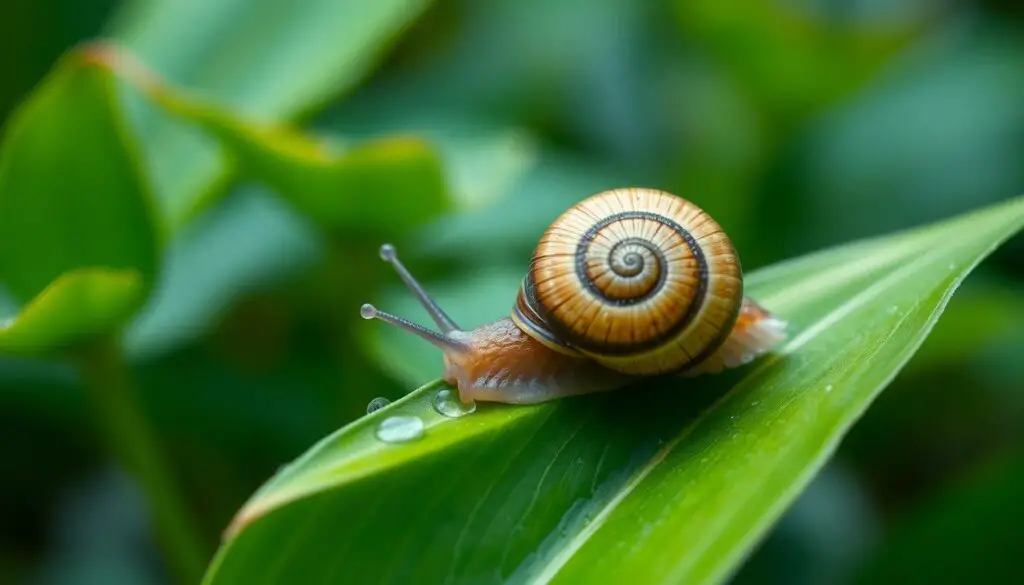
Snails may seem like simple creatures, but they carry profound symbolic meaning across cultures and throughout history. These slow-moving mollusks have fascinated humans for centuries, representing patience, persistence, and the beauty of taking life at your own pace.
We’ll explore how snail symbolism appears in various traditions—from ancient mythology to modern interpretations. You’ll discover why these humble creatures often represent personal transformation, protection, and even fertility. Their spiral shells, in particular, hold deep significance as symbols of life’s journey, evolution, and the cyclical nature of existence.
The Ancient History of Snail Symbolism
Snail symbolism dates back thousands of years, with evidence of these creatures appearing in various ancient civilizations’ art, mythology, and religious contexts. The spiral pattern of snail shells particularly fascinated early cultures, who recognized powerful symbolic significance in this natural geometric form.

Beach Resin Conch Necklace for Women:This stunning piece features a beautifully crafted resin conch pendant that captures the essence of the ocean. designed as a statement beach summer jewelry accessory, it brings a refreshing coastal vibe to your everyday look with its intricate spiral details and shimmering finish

EYE-CATCHING SEASHELL NECKLACE - Our gold shell necklace will make you outstanding! With the theme of Halloween to dress up different costumes, make party more exciting and fun
Egyptian and Mesopotamian Symbolism
Ancient Egyptians associated snails with eternity and the afterlife due to their spiral shells mirroring cosmic patterns. Hieroglyphic depictions of snails appeared in funerary texts, representing regeneration and the cyclical nature of existence. Archaeological discoveries reveal snail shell amulets in Egyptian tombs dating to 3000 BCE, believed to guide the deceased through their journey to the afterlife. Mesopotamian cultures similarly valued snails, incorporating them into fertility rituals and agricultural ceremonies. Clay tablets from Sumer show snails connected to the goddess Ishtar, emphasizing their association with life-giving forces and abundance in the ancient fertile crescent regions.
Greek and Roman Interpretations
Greek mythology linked snails to Aphrodite, the goddess of love and beauty, emphasizing their connection to fertility and sensuality. Several ancient Greek pottery pieces feature snail imagery alongside Aphrodite, suggesting their sacred status. Romans expanded on these associations, viewing snails as symbols of resilience and self-protection. Roman naturalist Pliny the Elder documented snails in his writings, noting their ability to retreat into their shells as a metaphor for introspection and self-preservation. Wealthy Romans even maintained special gardens called cochlearia for raising edible snails, elevating these creatures beyond mere sustenance to symbols of luxury and refined living. Archaeological evidence from Pompeii reveals snail motifs in household decorations, demonstrating their cultural significance beyond practical purposes.
Snail Symbolism in World Religions
Snails carry profound symbolic meanings across various industry religions and spiritual traditions. Their distinctive characteristics and spiral shells have inspired rich interpretations that span cultures and centuries, offering insights into fundamental spiritual concepts.


FEATURES: This incense stick holder is made of high quality zinc alloy, solid and durable for long-term usage.

Single-piece brass incense burner featuring an elegant snail design with letter and animal motifs for timeless charm.
Christianity and the Humble Snail
Christianity associates the snail with both spiritual shortcomings and virtues. The snail’s slow pace connects it to the concept of sloth, one of the seven capital sins in Christian theology. Its spiral shell, but, represents a more positive symbolism of spiritual rebirth and transformation, illustrating how believers can shed their sinful nature to embrace renewal in faith. Christians also interpret the protective shell as the “armor of faith,” serving as a metaphor for divine protection against worldly temptations. The snail’s patient, deliberate movement reminds followers of the virtue of patience in their spiritual journey.
Eastern Philosophical Perspectives
Eastern traditions view snails through lenses that align with their core philosophical principles. Chinese culture embraces the snail as an embodiment of the yin-yang concept, with its methodical pace representing the natural balance essential to harmonious living. Hindu philosophy connects the spiral pattern of snail shells to the cosmic cycle of Samsara, symbolizing the perpetual process of creation, preservation, and dissolution that governs existence. Japanese traditions honor the snail as an emblem of perseverance, celebrating its determination to overcome obstacles even though limitations—a principle deeply valued in Eastern philosophical thought. The Yoruba tradition features the creator deity Obatala who used a magic snail shell to form land from primordial waters, highlighting the snail’s connection to cosmic creation. Mayan artisans incorporated snail spirals into their creative works to represent the expansion of consciousness and the journey toward enlightenment.
Cultural Meanings of Snails Across Continents
Snails hold profound symbolic significance across diverse cultures worldwide, representing resilience, protection, and the cyclical nature of life. Their distinctive spiral shells consistently emerge as powerful symbols of rebirth, intuition, and the interconnectedness of existence in global folklore and mythology.

✅UNFRAMED PRINTS: We create all our prints in variation of standard sizes from 8x10 to 24x32 inches. For your convenience, we also offer a variety of frames so you can have them ready-to-hang.

Premium Quality Wall Art Print - This beautifully crafted poster features high-resolution printing on premium paper, making it a perfect wall decor piece for any room in your home or office

【Exquisite Design】QEJ art prints feature unique, original designs that instantly elevate any space. Each piece is carefully crafted by QEJ designers, combining artistry with high-quality craftsmanship. Whether for a cozy home, or a dorm room, QEJ designs bring warmth, personality, and charm to every corner. More than just décor, these prints create a captivating atmosphere, seamlessly blending beauty and function to add a distinctive artistic touch to your environment.
European Folklore and Mythology
Greek traditions deeply associate snails with fertility and rebirth, drawing meaning from their spiral shells that reflect natural life cycles. The distinctive spiral pattern serves as a metaphor for the continuous journey of life, death, and renewal in ancient Greek symbolism. Celtic lore interprets snails as powerful symbols of transformation and the soul’s journey, with their shell’s spiral representing the path of spiritual ascension and evolution. European cultural narratives frequently emphasize the snail’s methodical pace as a valuable lesson in patience and deliberate progress, encouraging people to embrace life’s natural rhythms rather than rushing through experiences.
Asian Traditions and Symbolism
Japanese folklore features the intriguing Sazae-oni, a mythological monster based on a snail, serving as a cautionary figure in traditional stories. Even though this fearsome representation, snails also symbolize positive qualities like longevity and protection in broader Japanese cultural contexts. Chinese traditions value the snail’s unhurried movement as an embodiment of harmony and self-sufficiency, with ancient legends highlighting the importance of balanced living and moving through life with intention. Slavic mythology portrays snails as protective spirits, with their shells believed to effectively ward off negative energies and harmful influences, making them symbols of safety and spiritual defense in traditional belief systems.
Native American and African Symbolism
Native American traditions connect snails intimately to Earth’s natural cycles, water, and rain, viewing them as integral parts of the natural industry’s balance. Their shells serve as powerful metaphors for life’s spiral journey and the importance of resilience when facing challenges. African folklore interprets the snail’s ability to retreat into its shell as a profound lesson in patience, persistence, and adaptability during times of hardship. This protective trait has made snails enduring symbols of self-preservation and strategic withdrawal across many African cultural traditions.
Cross-Cultural Themes
Globally, snails symbolize universal concepts of protection through their natural shells, cyclical renewal through their growth patterns, and the value of steady progress through their consistent movement. The shared imagery of spirals and deliberate pace underscores common themes of patience and inner reflection found across continents and civilizations. These recurring symbolic representations demonstrate how cultures worldwide have independently recognized similar qualities in these small but symbolically important creatures, creating a rich tapestry of interconnected meanings that transcend geographical boundaries.
The Slow Movement: Modern Snail Symbolism
Snails have emerged as powerful symbols in contemporary society, representing deliberate progress and mindfulness in our fast-paced industry. Their unhurried journey serves as a reminder that meaningful achievements often require time and intentional effort rather than speed.

Powerful Triple Protection: Wear a shield of spiritual armor with this unique pendant necklace. It masterfully combines three of the most potent symbols - the Witch's Knot, Pentagram Tetragrammaton, and St. Benedict Medal - into one powerful talisman for comprehensive metaphysical defense and positive energy.

The Shield Protection: Powerful black Obsidian and Moon stone amulet; Perfect for empaths, sensitives and anyone in dense energy work environments

[Powerful Triple Protection Symbolism] This pendant is a sacred blend of powerful esoteric symbols. It features the unifying Celtic Witch's Knot, the divine Tetragrammaton Pentagram, and the revered St. Benedict Medal, creating a potent talisman for spiritual protection, strength, and connection.
Patience and Mindfulness
Snails embody the universal concept of patience through their characteristically slow movement. Their determination to continue forward even though physical limitations highlights the value of persistence and gradual progress. Native American traditions connect snails to water elements, viewing them as messengers of rain and renewal, further emphasizing their relationship with natural cycles and temporal patience. This symbolism resonates deeply in today’s rushed society, reminding us that steady, mindful progress often yields more sustainable results than hurried action.
Home and Security Associations
Snails carry their protective homes wherever they travel, making them powerful symbols of self-sufficiency and adaptability. This remarkable trait demonstrates the importance of creating internal stability regardless of changing external circumstances. Aztec culture particularly valued the spiral shell’s representation of life’s cyclical nature, associating snails with fertility and transitions between temporal states. Modern interpretations embrace this symbolism as a reminder of our capacity to feel secure within ourselves while handling life’s unpredictable journeys. The snail’s portable home serves as a perfect metaphor for building personal resilience in an increasingly unstable industry.
Snail Symbolism in Art and Literature
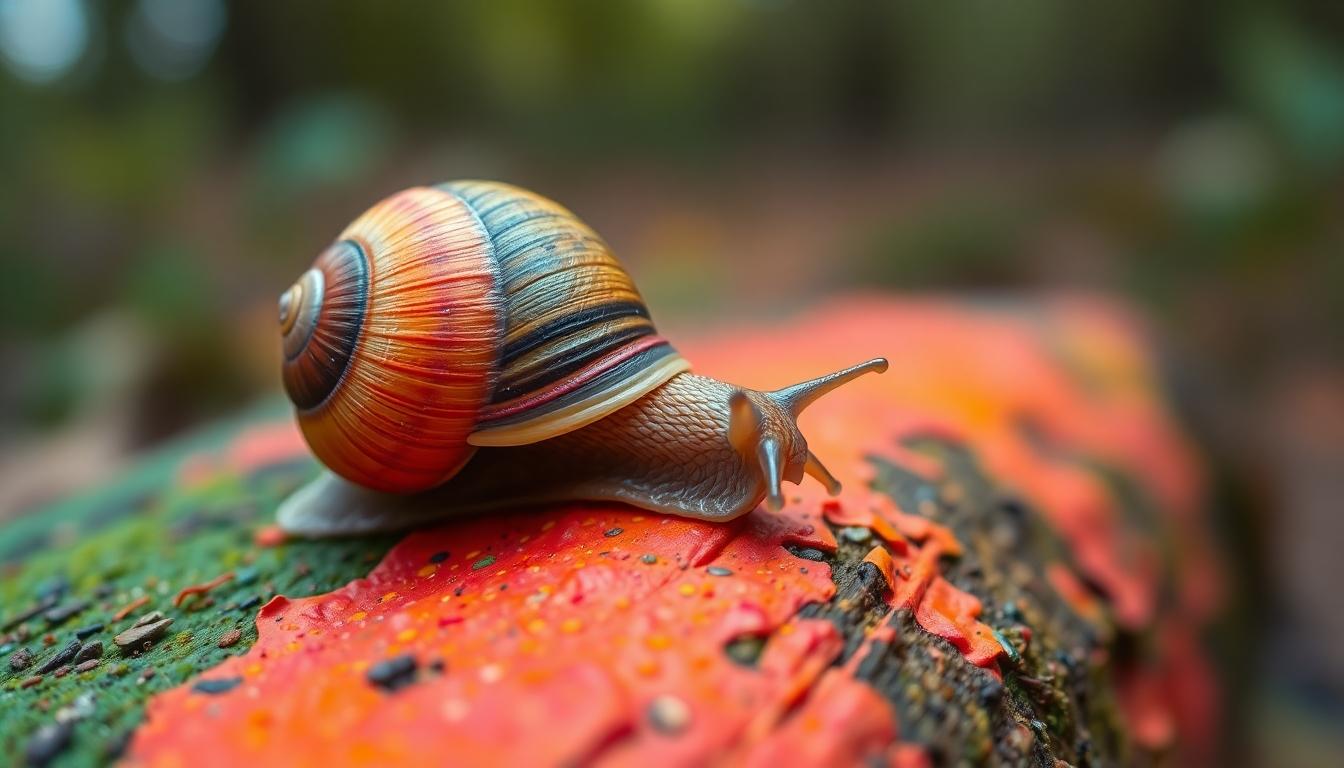
Snails have carved a unique niche in the artistic and literary industry, serving as powerful symbols across centuries of creative expression. Their distinctive form and characteristics have inspired artists and writers to embed them with profound symbolic meanings that transcend time and cultural boundaries.

Goddess-Inspired Fertility Design - Features a beautifully detailed goddess pillar candle symbolizing fertility, intention, and feminine energy, designed to support spiritual rituals and personal reflection.

✔️ VIBRATE WITH THE UNIVERSE: Our manifestation candles combine the energies of crystals, essential oils, flame, and your intention, harmonizing with the universe's vibrations to empower you to manifest your dreams.

Magical Blessed Be Blessing & Premium Palo Santo Scent: Infused with the Palo Santo aroma (a top choice for spiritual cleansing), this candle features the sacred "Blessed Be" blessing and magical mantra on the jar—perfect for infusing your space with positive energy and witchy charm, no harsh artificial scents.
Symbolism Overview
Snails carry diverse symbolic meanings throughout art history, reflecting humanity’s complex relationship with these small creatures. In medieval manuscripts, snails appeared alongside Resurrection imagery, symbolizing the cyclical nature of life and the promise of renewal after death. Their presence in marginalia often placed them as curious adversaries of knights, potentially representing the Lombards and creating a fascinating juxtaposition of power and impotence. Ancient Greek civilization viewed snails as symbols of fertility and the fruition of persistent effort—a testament to the rewards of patience and hard work. Beyond these interpretations, snails have consistently embodied concepts of purity and mortality in various artistic traditions, serving as reminders of life’s transience and the importance of maintaining inner virtue.
Famous Artistic Depictions
Surrealist master Salvador Dali incorporated snails into his provocative works as symbols of impotence, contrasting their slow movement with the anxieties of modern life. During the Dutch Golden Age, artists frequently included snails in their meticulous still-life paintings to emphasize the transitory nature of earthly existence—the small creatures serving as subtle memento mori amid displays of wealth and abundance. Medieval manuscript illuminators created some of the most enigmatic snail imagery, depicting battles between knights and giant snails that continue to perplex art historians today. These curious illustrations appear across many European manuscripts, suggesting a widespread cultural understanding of snail symbolism that modern viewers can only partially decode. The persistent appearance of snails across these diverse artistic movements demonstrates their enduring symbolic power and visual appeal.
Literary References Through the Ages
Literary works reference snails less frequently than visual art, yet their presence often carries important metaphorical weight when they appear. Writers have employed snail imagery to convey themes of gradual transformation and vulnerability, echoing the symbolic meanings established in artistic traditions. The slow, deliberate movement of snails provides literary metaphors for patience and persistence—qualities often highlighted in narrative character development. Their protective shells offer writers ready-made symbolism for themes of withdrawal, self-protection, and the tension between vulnerability and safety. Though not typically central characters, snails in literature embody broader motifs about renewal and the cyclical patterns of existence, reinforcing themes of transformation and natural harmony that resonate throughout industry literature.
Psychological Interpretations of Snail Symbolism
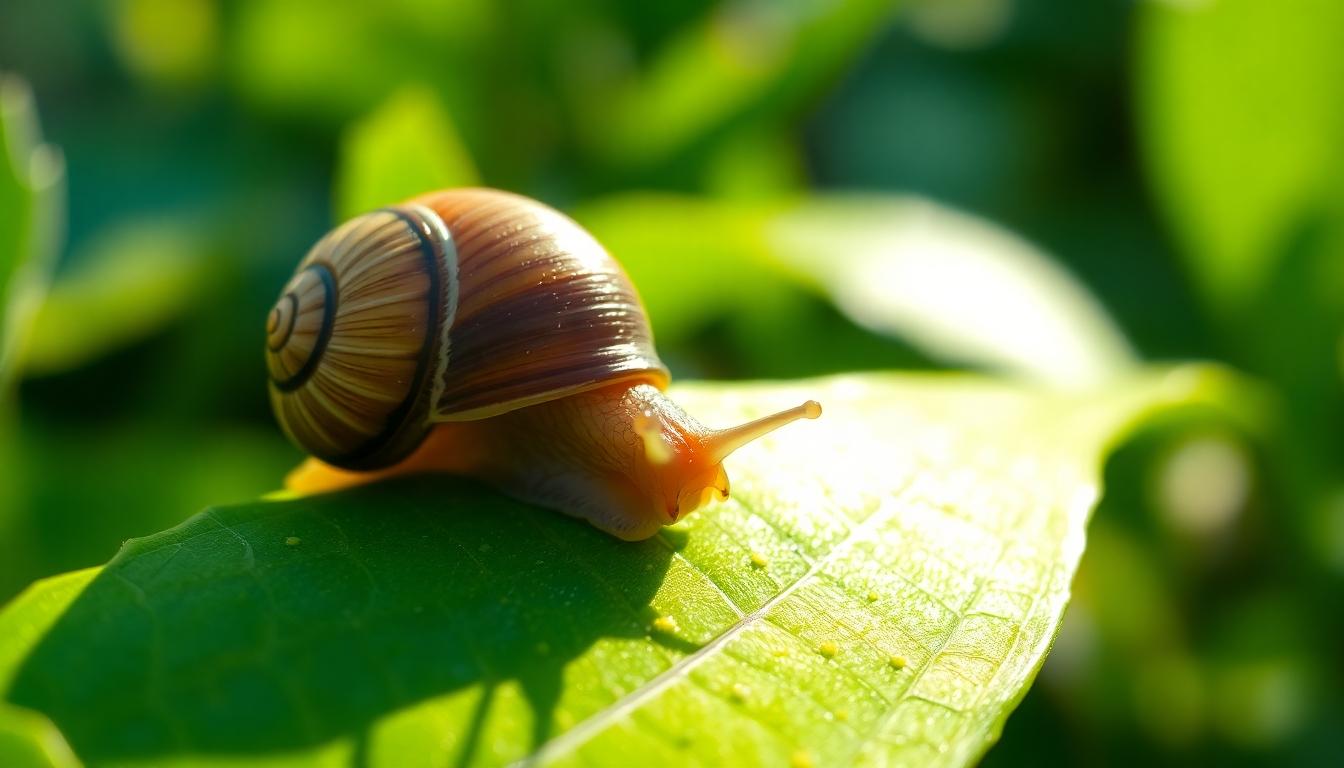
Snails offer profound psychological symbolism that resonates with human experiences and emotional states. Their distinctive characteristics mirror various aspects of our psychological development and emotional journey.


1.Style: The gold plated shell necklace brings a bold, boho twist to your summer jewelry collection. Featuring a large spiral shell pendant necklace with organic texture and natural curves, this beach necklace makes a stunning statement whether you're vacationing by the sea or strolling through the city.

Design Philosophy: Inspired by coastal bohemian charm, this white beaded necklace features a polished gold seashell pendant. The elegant yet playful design blends beachy vibes into a chic statement necklace for free-spirited style lovers
Dream Analysis and Snails
Dreams featuring snails typically symbolize slow progress in waking life, often appearing during periods when patience feels particularly challenging. These dream symbols reflect the need for self-reflection and a measured approach to personal or professional situations. Snails in threatening dream environments commonly indicate feelings of vulnerability or exposure. Many dream analysts note that snail dreams emerge during transitional life phases, encouraging dreamers to accept natural timing rather than forcing outcomes. The protective shell in these dreams represents psychological boundaries and the subconscious mind’s signal to protect one’s emotional well-being.
Personality Traits Associated with Snail Symbolism
Individuals connected to snail symbolism exhibit distinctive characteristics that reflect the snail’s natural attributes. Calmness and patience define these personalities, manifesting as a deliberate approach to life that values thoroughness over speed. Their resilience enables them to move steadily forward even though obstacles, maintaining consistent progress rather than seeking quick victories. Adaptability marks another core trait, with snail-associated personalities demonstrating remarkable flexibility across diverse life situations. These individuals often excel at creating secure psychological spaces for themselves and others, mirroring the snail’s portable home. The hermaphroditic nature of snails also connects to personality aspects involving balance and integration of seemingly opposite traits, representing a harmonious blending of attributes that creates psychological wholeness.
Conclusion
Snail symbolism transcends time and cultures offering us profound wisdom for modern living. These humble creatures teach us the value of patience in our hurried industry and remind us that meaningful progress doesn’t always require speed.
The spiral shell’s universal significance connects us to deeper cycles of transformation regeneration and protection. Whether in ancient Egyptian tombs medieval manuscripts or contemporary psychology snails continue to represent our journey through life’s challenges.
By embracing the snail’s deliberate nature we’re encouraged to find strength in slowing down creating boundaries when needed and persisting through obstacles. Their enduring symbolism proves that sometimes the most profound wisdom comes from the most unexpected sources.

Vintage Incense Holder: It's helpful to purify the air and relieve fatigue when you burn a incense in your home, bedroom, office, spa room or when you do yoga, drink tea, study, or meditation. Smoke will running down into the lotus leaf like water, and it will be very relaxing and quiet when gazing.

Solid brass - made in India

【𝐈𝐧𝐧𝐨𝐯𝐚𝐭𝐢𝐯𝐞 𝐀𝐧𝐭𝐢-𝐀𝐬𝐡 𝐃𝐞𝐬𝐢𝐠𝐧】No messy ashes everywhere!The incense holder captures all the fallen ashes to ensure that the ashes do not mess up on the table and can be easily removed and cleaned. You don't have to worry about the wind, air conditioner or fan blowing ash everywhere.
Frequently Asked Questions

✅UNFRAMED PRINTS: We create all our prints in variation of standard sizes from 8x10 to 24x32 inches. For your convenience, we also offer a variety of frames so you can have them ready-to-hang.

40 inches wide x 60 inches long - Lightweight fabric with hand-sewn finished edges. Made in Turkey.

【Canvas Prints Size】The product is 36"x24"(60*90cm) each piece. With exquisite packaging, can be as a perfect gift for family or friends.
What is the main symbolic significance of snails across cultures?
Snails symbolize patience, persistence, and the importance of taking life slowly. Their spiral shells represent life’s journey, evolution, and the cyclical nature of existence. Across various cultures and historical contexts, they embody themes of transformation, protection, and fertility. In today’s fast-paced world, snails remind us that meaningful achievements often require time and intentional effort rather than speed.
How were snails viewed in ancient Egyptian culture?
Ancient Egyptians associated snails with eternity and the afterlife. They used spiral shells to symbolize regeneration and the cyclical nature of life. Archeologists have discovered snail shell amulets in Egyptian tombs, suggesting they were considered powerful symbols of protection and renewal in the journey to the afterlife.
What significance did snails have in Greek and Roman mythology?
In Greek mythology, snails were connected to Aphrodite, symbolizing fertility and sensuality. Romans viewed them as symbols of resilience and self-protection. Pliny the Elder noted their ability to retreat into shells as a metaphor for introspection. Wealthy Romans even cultivated special snail gardens, elevating them to symbols of luxury and refined living.
How are snails interpreted in various religious traditions?
In Christianity, snails represent both spiritual shortcomings (sloth) and virtues (spiritual rebirth). Eastern philosophies view them as embodiments of balance and perseverance. Chinese culture associates them with yin-yang, Hinduism links them to Samsara, and Japanese traditions celebrate their determination. The Yoruba tradition connects snails to cosmic creation, while Mayans use snail spirals to represent the journey toward enlightenment.
What do snails symbolize in European folklore?
In European folklore, snails symbolize fertility and rebirth. Their spiral shells reflect natural life cycles and serve as metaphors for spiritual ascension. Many European traditions viewed snail appearances as omens related to weather patterns and agricultural success. Their presence in folk tales often emphasizes themes of patience, gradual growth, and the rewards of perseverance.
How are snails depicted in art throughout history?
In medieval manuscripts, snails symbolize life’s cyclical nature and renewal. Ancient Greek art connected them to fertility. Salvador Dali used snails to convey impotence and anxiety, while Dutch Golden Age painters included them in still-life works to emphasize life’s transience. Across artistic periods, snails consistently represent transformation, vulnerability, and the passage of time.
What do dreams about snails typically symbolize?
Dreams featuring snails often symbolize slow progress and the need for self-reflection, particularly during challenging periods requiring patience. They can represent a subconscious message to slow down and be more deliberate in your approach to life’s challenges. Snail dreams might also indicate a desire for protection or suggest you’re carrying emotional burdens that slow your progress.
How do snails relate to modern concepts of mindfulness?
In our fast-paced society, snails have emerged as powerful symbols of deliberate progress and mindfulness. Their unhurried journey reminds us to be present and intentional rather than rushing through experiences. The snail’s approach to life encourages us to appreciate each moment, practice patience, and recognize that meaningful achievements and personal growth often require time and steady effort.
What personality traits are associated with people who identify with snail symbolism?
People connected to snail symbolism typically exhibit calmness, resilience, and adaptability. They embody a deliberate approach to life, valuing thoroughness over speed. These individuals create secure psychological spaces for themselves and others, mirroring the snail’s protective shell. They’re often thoughtful, patient, and persistent, making steady progress toward goals while maintaining inner stability during external changes.
Why have snails become relevant symbols in contemporary culture?
Snails have gained relevance in contemporary culture as antidotes to our acceleration-obsessed society. Their symbolism of slow living, deliberate progress, and self-protection resonates with modern movements advocating mindfulness and work-life balance. As many people experience burnout from constant connectivity and hustle culture, the snail’s natural pace offers a compelling alternative model for sustainable living and meaningful accomplishment.